BAC Water 10ml Vial – Product Information, Quality and Safety Guide
Understanding BAC Water 10ml Vial
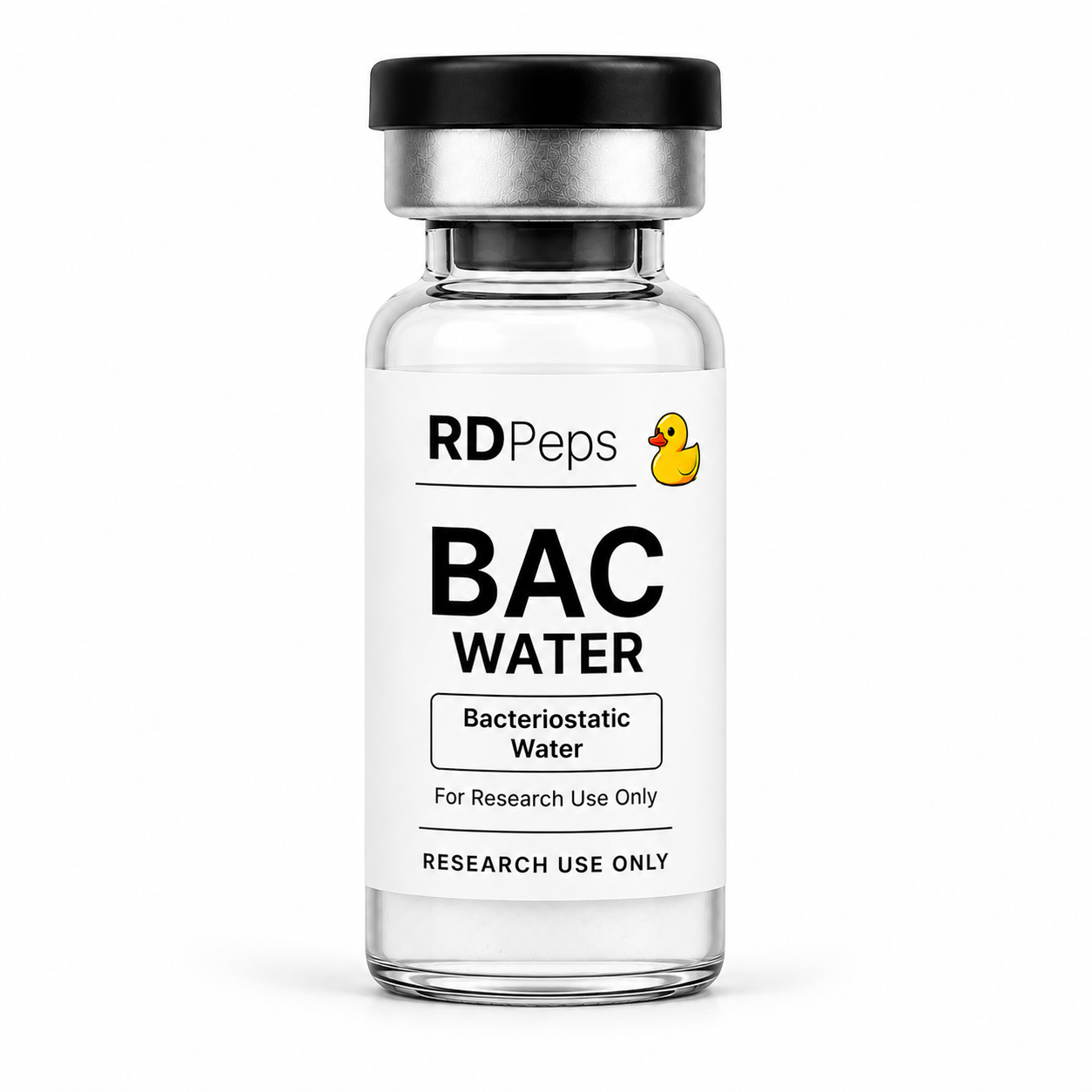
BAC Water 10ml Vial is a search term commonly associated with bacteriostatic water supplied in a small vial. Bacteriostatic water is a sterile preparation containing water and a suitable antimicrobial preservative, commonly benzyl alcohol, in a specified concentration. The exact formulation depends on the product and its approved labeling.
Understanding the composition, intended purpose, storage requirements, and safety considerations of bacteriostatic water is important when reviewing pharmaceutical product information. Although the term may appear alongside various laboratory and pharmaceutical products, not every preparation is suitable for every application.
The vial size alone does not establish the formulation, quality, or approved use of a particular product. Product labeling and official documentation should always be checked before drawing conclusions about its characteristics.
What Is Bacteriostatic Water?
BAC Water 10ml Vial water is a sterile water preparation containing an antimicrobial preservative intended to inhibit the growth of certain bacteria under specified conditions. It is distinct from ordinary purified water and from sterile water products that do not contain a preservative.
The preservative helps limit bacterial growth in accordance with the product’s approved specifications. However, bacteriostatic properties do not mean that the preparation can never become contaminated or that it is suitable for every medical or laboratory purpose.
Different water preparations have different formulations and intended applications. Consequently, they should not be treated as interchangeable simply because they appear similar or are supplied in comparable packaging.
Understanding the 10ml Vial Format
The term “10ml vial” describes the stated container volume. It does not independently verify the contents, manufacturing quality, sterility, or suitability of a product.
When evaluating a vial, relevant information includes the product name, ingredient list, preservative concentration, manufacturer, batch identification, expiry date, storage instructions, and authorized intended use.
Packaging can provide useful identification information, but appearance alone cannot establish authenticity. Products obtained through uncertain supply channels may have incomplete documentation or an unclear storage history.
For pharmaceutical products, reliable labeling and traceability are important elements of quality assurance. Any uncertainty about a product’s identity or condition should be resolved with a qualified pharmacist or the authorized supplier before use.
Composition and Product Specifications
BAC Water 10ml Vial formulations are designed according to defined specifications. Some products contain benzyl alcohol as a preservative, but the precise formulation should be confirmed from the official product label rather than assumed from the name alone.
The ingredients, manufacturing controls, and approved applications determine whether a particular preparation is appropriate for a specified purpose.
Product specifications should be interpreted accurately. A statement that a preparation is sterile does not establish that it is suitable for all routes of administration, and the presence of a preservative does not make it compatible with every medicine or compound.
For these reasons, product descriptions should avoid unsupported claims about universal compatibility, pharmaceutical quality, or clinical suitability.
Quality Assurance and Documentation
Quality assurance plays an important role in pharmaceutical manufacturing. Appropriate processes may include controlled production environments, validated testing methods, batch identification, packaging controls, and documented release procedures.
When reviewing product information, it is useful to distinguish verified specifications from general marketing statements. Documentation should clearly identify the product and explain which characteristics have been assessed.
A certificate of analysis, where available, should be evaluated according to the sample tested, the laboratory responsible, the methods used, and the scope of the results. Such documentation does not automatically establish that a product is authorized for a particular medical use.
Consumers should be cautious about unsupported statements such as guaranteed purity, universal compatibility, or suitability for all injectable preparations.
Storage and Handling Considerations
Storage requirements vary according to the specific product formulation and manufacturer instructions. Temperature limits, protection from light, container integrity, and expiry information may all be relevant to maintaining product quality.
The official label should be followed rather than relying on generalized advice found online. Products with damaged packaging, unclear labeling, expired dates, or uncertain storage histories require professional assessment.
A sterile preparation can become contaminated if its container or contents are compromised. The presence of an antimicrobial preservative does not eliminate all contamination risks or replace appropriate handling requirements.
For products intended for medical settings, follow the manufacturer’s instructions and the relevant healthcare facility’s established procedures.
Safety and Intended Use
Bacteriostatic water is not appropriate for every pharmaceutical application. The preservative may be unsuitable for particular medicines, patient groups, or intended uses. The approved product information determines the applicable restrictions.
It should not be assumed that a preparation can be used to dilute or prepare any substance merely because it is described as bacteriostatic water.
Questions about compatibility, administration, or suitability should be directed to a qualified pharmacist or healthcare professional. Medical products should be used only for their authorized purposes and in accordance with appropriate professional guidance.
Products marketed online under similar names may differ in formulation, quality controls, and regulatory status. A familiar product name or similar-looking label does not establish that a product is authentic or safe.
Frequently Asked Questions
What does BAC Water 10ml Vial mean?
It commonly refers to a 10ml vial of bacteriostatic water. The exact ingredients and specifications must be verified against the product’s official labeling.
Is bacteriostatic water the same as sterile water?
No. Bacteriostatic water contains an antimicrobial preservative, while sterile water products may not. Their approved uses and restrictions can differ.
Does the 10ml label confirm product quality?
No. Container volume does not verify sterility, authenticity, formulation, or regulatory authorization.
How should bacteriostatic water be stored?
Storage requirements depend on the specific product. Follow the manufacturer’s approved labeling and seek professional guidance if the instructions are unclear. BAC Water 10ml Vial BAC Water 10ml Vial BAC Water 10ml Vial BAC Water 10ml Vial BAC Water 10ml Vial
Conclusion
BAC Water 10ml Vial is a product-description term associated with bacteriostatic water, a sterile preparation containing an antimicrobial preservative. Understanding its composition, labeling, storage requirements, quality documentation, and intended use helps readers interpret product information responsibly.
Accurate descriptions should distinguish verified specifications from unsupported claims. Checking official product documentation and consulting qualified healthcare professionals when necessary are important steps in maintaining appropriate pharmaceutical safety standards.