Cagri 10mg Vial – Scientific Research and Safety Information
Understanding Cagri 10mg Vial
Cagri 10mg Vial is a search term commonly associated with cagrilintide, an investigational long-acting amylin analogue being studied for its effects on appetite regulation and metabolic function. Scientific interest in cagrilintide centres on the role of amylin-related pathways in satiety, food intake, and the regulation of energy balance.
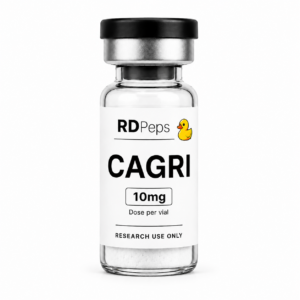
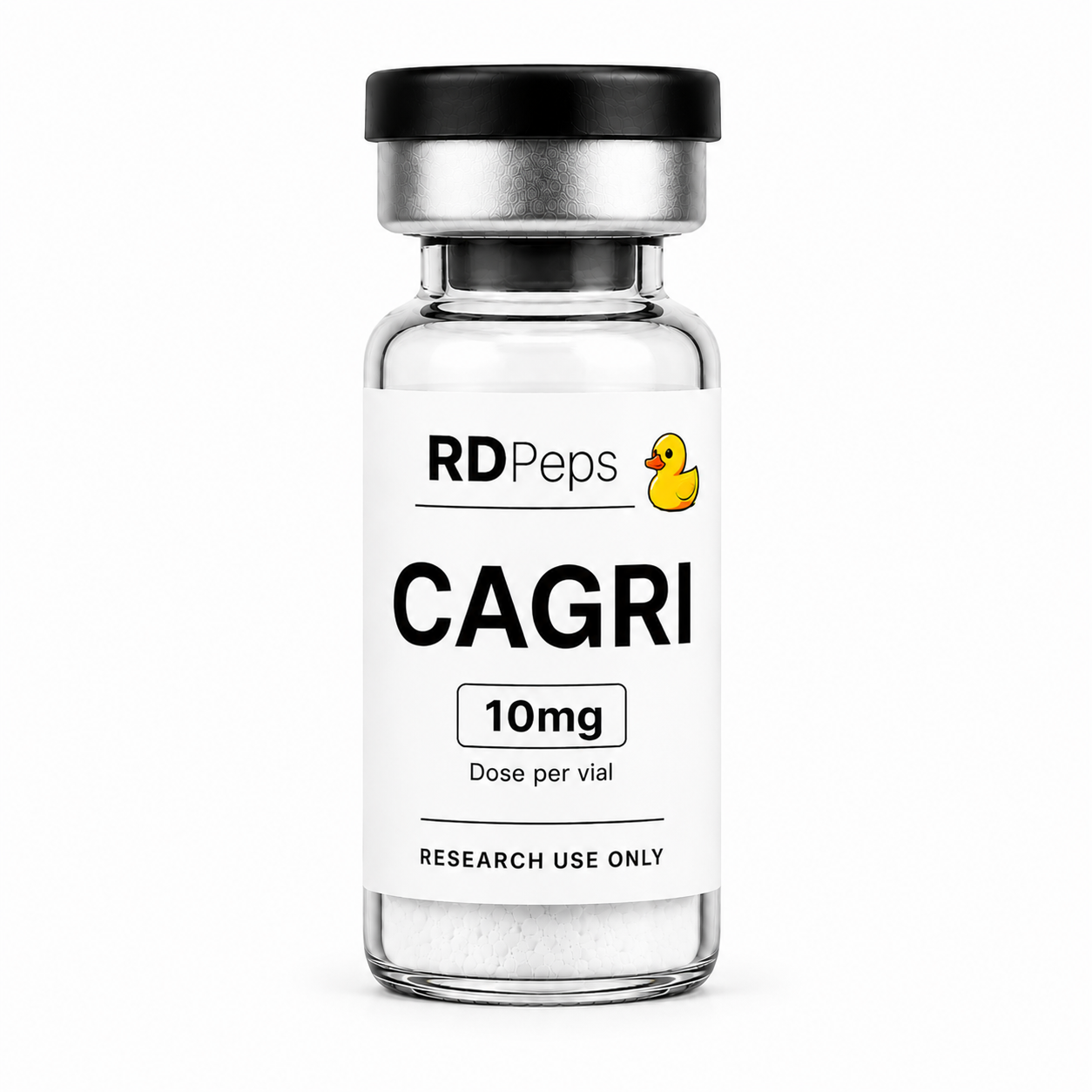
The term “10mg vial” describes a stated quantity associated with a product label. It does not independently establish the identity, concentration, purity, sterility, or regulatory status of a particular product. Accurate product information requires reliable documentation and appropriate verification.
Understanding cagrilintide’s mechanism, current research, and investigational status helps readers distinguish established scientific findings from claims that have not been confirmed.
What Is Cagrilintide?
Cagri 10mg Vial is a long-acting synthetic amylin analogue developed for clinical investigation. Amylin is a hormone released by pancreatic beta cells alongside insulin after food intake. It participates in processes associated with satiety and the regulation of eating behaviour.
Researchers are investigating whether longer-acting amylin-related activity can provide useful insights into appetite regulation and metabolic health. Cagrilintide has also been studied in combination with other investigational or established medicines, although the safety and effectiveness of each combination must be evaluated separately.
It is important to distinguish an investigational compound from an approved medicine. Results from clinical studies do not automatically establish suitability for routine treatment or confirm that every product marketed under a similar name has the same composition.
How Cagrilintide Works
Cagrilintide is designed to act on pathways associated with amylin signalling. Amylin contributes to the body’s responses to food intake and may influence feelings of fullness and the rate at which food leaves the stomach.
Research into cagrilintide examines how prolonged activity in these pathways affects appetite, food intake, and other metabolic outcomes. These effects are being evaluated through controlled clinical studies rather than inferred from a product label or promotional description.
The relationship between appetite regulation and metabolic health is complex. Outcomes may depend on multiple physiological factors, individual characteristics, and the context in which a treatment is studied.
For that reason, research findings should be interpreted according to the study design, participant population, duration of follow-up, and reported adverse effects.
What Does the 10mg Vial Label Mean?
A label stating “10mg” indicates a declared quantity, but it does not prove the composition or quality of the material inside a vial. It also does not establish an appropriate dose or demonstrate that a product is authorized for human use.
When evaluating product information, relevant details may include the manufacturer’s identity, ingredient declaration, batch number, expiry date, storage requirements, and applicable regulatory documentation.
Packaging and photographs alone cannot confirm authenticity. Products obtained through uncertain supply channels may have incomplete documentation or an unclear manufacturing and storage history.
A product should not be considered equivalent to a clinically studied formulation merely because it uses the same compound name. Cagri 10mg Vial Cagri 10mg Vial Cagri 10mg Vial
Cagrilintide and Clinical Research
Clinical studies of cagrilintide have explored its potential role in appetite regulation and weight-related outcomes. Researchers have also investigated combinations involving cagrilintide and other metabolic medicines.
Combination studies require particular care when interpreting results because the effects and risks of one medicine may differ when it is used alongside another. Findings from one trial cannot automatically be generalized to every formulation, population, or treatment approach.
Clinical research evaluates several factors, including effectiveness, tolerability, adverse effects, and the potential for longer-term complications. Further investigation and regulatory assessment are needed before investigational findings can be treated as established medical guidance.
Readers should consult reliable scientific publications, official clinical-trial registries, and relevant medicines regulators for current information.
Quality Documentation and Product Verification
Accurate documentation is important when assessing information about investigational compounds. Relevant records may include compound identification, analytical methods, sample traceability, and the limitations of any reported test results.
A certificate of analysis, if available, should be examined in context. The identity of the tested sample, the issuing laboratory, the analytical methods, and the characteristics measured all affect how the results should be interpreted.
A certificate does not automatically prove sterility, clinical safety, pharmaceutical authorization, or suitability for human use. Likewise, terms such as “research grade” do not independently establish a product’s quality.
Claims about purity, authenticity, or manufacturing standards should be supported by verifiable evidence. Cagri 10mg Vial Cagri 10mg Vial Cagri 10mg Vial
Safety and Regulatory Considerations
Cagrilintide remains investigational and should not be assumed to be approved for routine medical use. Regulatory status can change as research develops, so current information should be checked through the appropriate national medicines regulator.
Unverified products may present additional uncertainties relating to identity, contamination, storage, and manufacturing controls. A vial label alone cannot establish that its contents match the stated description.
Investigational compounds should not be self-administered or substituted for authorized treatment. Anyone seeking support for appetite, weight management, or another medical concern should consult a qualified healthcare professional about established options and appropriate care.
Frequently Asked Questions
What is Cagri 10mg Vial?
It is a product-description term commonly associated with cagrilintide, an investigational amylin analogue. The label alone does not verify the contents or quality of a particular vial.
What is cagrilintide being studied for?
Researchers are studying its effects on appetite signalling, satiety, food intake, and metabolic outcomes.
Is cagrilintide an approved medicine?
Cagrilintide remains investigational. Consult the relevant medicines regulator for its latest status in your jurisdiction.
Does a 10mg label confirm product quality?
No. It indicates a stated quantity but does not independently verify identity, purity, sterility, or regulatory authorization.
Conclusion
Cagri 10mg Vial is a search term associated with cagrilintide, an investigational compound being studied for its interaction with amylin-related pathways. Understanding its scientific background, clinical research, documentation requirements, and regulatory status helps readers evaluate available information responsibly.
Accurate scientific communication should distinguish research findings from established medical guidance and prioritize reliable evidence, transparent documentation, and patient safety.