BPC/TB 10mg/10mg Vial – Essential Research and Safety Guide
Introduction to BPC/TB 10mg/10mg Vial
BPC/TB 10mg/10mg Vial is a product name commonly used for a combination of two research peptides: BPC-157 and TB-500-related material. These compounds have attracted scientific interest in studies examining cellular processes, tissue biology, and biological signalling. However, research findings remain limited, and claims about their effects should be evaluated carefully.
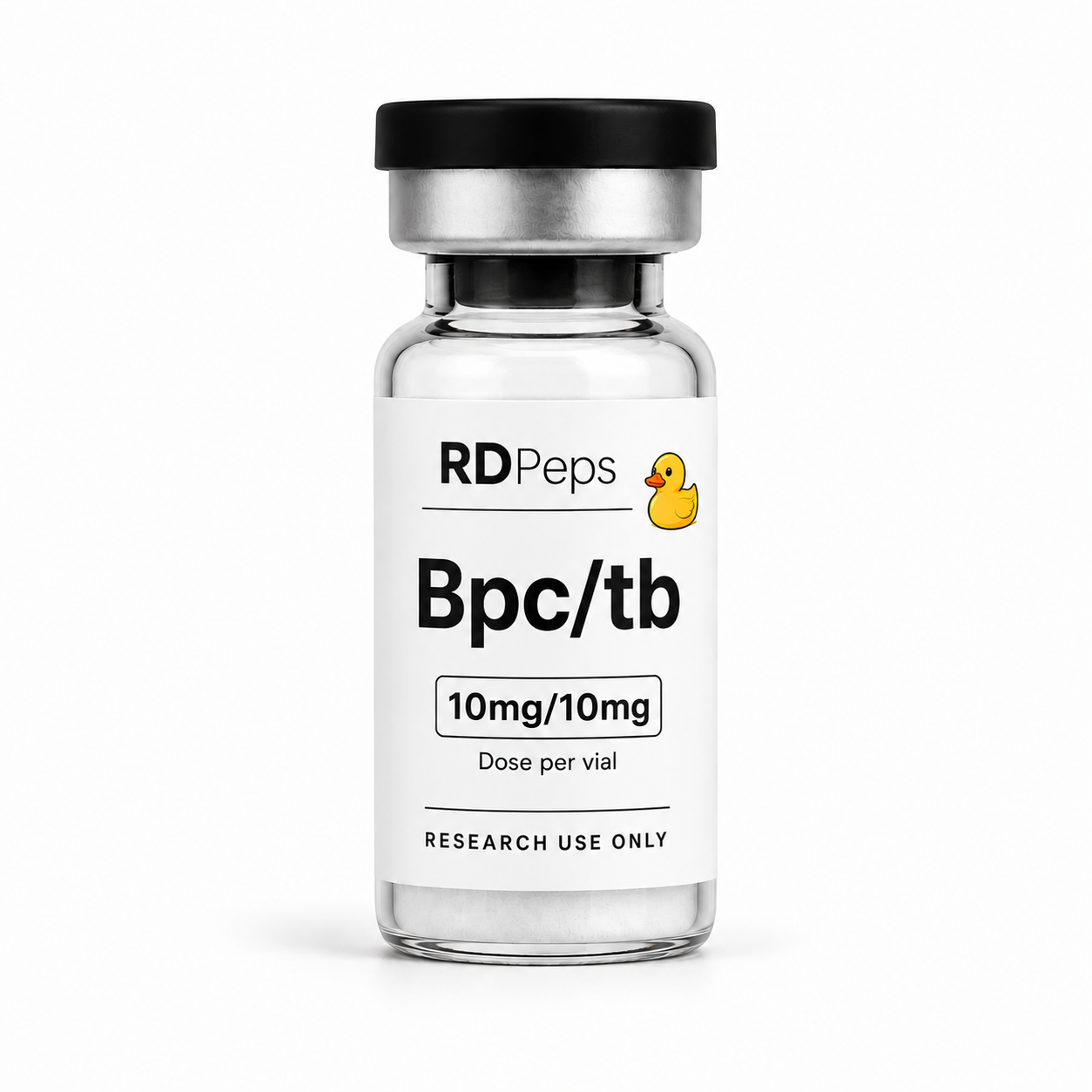
The 10mg/10mg designation generally indicates that the product label states 10mg of each component. The actual identity and composition of any specific product cannot be confirmed from its name or packaging alone.
Understanding the research background, product documentation, and safety considerations is important when evaluating this combination.
What Is BPC-157?
BPC-157 is a synthetic peptide investigated primarily in preclinical research. Scientists have explored its biological activity in experimental models involving cellular responses and tissue-related processes.
Although some laboratory and animal studies have reported findings of scientific interest, these results do not establish that BPC-157 is safe or effective for treating injuries or medical conditions in humans. High-quality clinical evidence remains insufficient to support many claims made about this compound online.
Researchers must distinguish experimental observations from proven clinical outcomes and avoid treating preliminary findings as established medical benefits.
What Is TB-500?
TB-500 is a name used commercially for products associated with thymosin beta-4-related research. Thymosin beta-4 is a naturally occurring peptide involved in biological processes that have been studied in connection with cell movement and tissue biology.
The precise composition of products sold under the TB-500 name may vary. A commercial label does not necessarily establish that a product contains full-length thymosin beta-4 or a specific fragment of that peptide.
This distinction matters when reviewing scientific literature because research involving one compound cannot automatically be applied to another product with a similar name.
Understanding the 10mg/10mg Product Format
The 10mg/10mg notation indicates the stated quantity of each component, subject to confirmation through product documentation. It does not represent a recommended dose, prove product quality, or establish medical suitability.
When reviewing a research material, consider the following information:
- Product name and stated composition
- Batch or lot identification
- Available analytical documentation
- Packaging and labelling integrity
- Manufacturer-provided storage and handling information
Product appearance and labelling cannot independently verify identity, purity, sterility, or safety.
Scientific Research and Biological Processes
BPC-157 and thymosin beta-4-related compounds have been investigated in different areas of preclinical biology. These research areas include cellular signalling, cell movement, and biological responses associated with tissue processes.
However, the compounds are not interchangeable, and evidence concerning one should not be assumed to establish the effects of the other. Combining two investigational substances also introduces additional uncertainties about their interactions and overall safety.
Laboratory observations and animal studies are important stages of scientific investigation, but they cannot by themselves establish the safety or effectiveness of a combination in humans.
Quality and Documentation Considerations
Responsible evaluation of research compounds requires clear identification and traceable documentation. Where analytical records are available, their methods, scope, and limitations should be considered carefully.
Useful checks include:
- Product identification: Ensure that the listed components match the accompanying documentation.
- Batch traceability: Check whether the product has a batch or lot identifier.
- Analytical evidence: Review relevant test records without assuming that one test establishes every aspect of quality.
- Packaging integrity: Look for complete labelling and undamaged packaging.
- Handling information: Follow applicable laboratory procedures and documented storage requirements.
These checks support responsible assessment but do not guarantee that a material is suitable for human use.
Safety and Regulatory Considerations
BPC-157 and products marketed as TB-500 are not established, approved treatments for general medical use in many jurisdictions. Their safety profiles, possible adverse effects, interactions, and long-term consequences remain insufficiently characterised for many proposed applications.
Products sold online may also differ in composition and quality. Unverified products can introduce additional risks, and a stated quantity does not demonstrate sterility or suitability for injection. BPC/TB 10mg/10mg Vial BPC/TB 10mg/10mg Vial BPC/TB 10mg/10mg Vial BPC/TB 10mg/10mg Vial BPC/TB 10mg/10mg Vial BPC/TB 10mg/10mg Vial BPC/TB 10mg/10mg Vial
Research-labelled materials should be handled only for their authorised purpose and under appropriate laboratory safety procedures. They are not intended for human or veterinary consumption unless the specific product has the necessary authorisation for that use.
Anyone considering a product marketed for personal health purposes should consult a qualified healthcare professional rather than relying on online claims or preliminary research.
Conclusion
BPC/TB 10mg/10mg Vial is a product designation associated with BPC-157 and TB-500-related research materials. Both have attracted scientific interest, but important questions about their composition, human safety, effectiveness, and potential interactions remain unresolved.
Careful review of product documentation, accurate identification of each component, and an evidence-based understanding of the limitations of current research are essential when evaluating this type of investigational combination.