Tirzepatide 30mg Vial – Research, Clinical Background and Safety Guide
Understanding Tirzepatide
Tirzepatide 30mg Vial is a prescription medicine studied and used in specific approved formulations for certain metabolic conditions. It has attracted significant scientific interest because of its activity at two hormone receptors involved in glucose regulation and metabolic function: glucose-dependent insulinotropic polypeptide (GIP) and glucagon-like peptide-1 (GLP-1).
These pathways are important in the body’s response to food intake, insulin secretion, and blood glucose regulation. Understanding tirzepatide’s mechanism helps explain its role in clinical medicine and ongoing research into metabolic health.
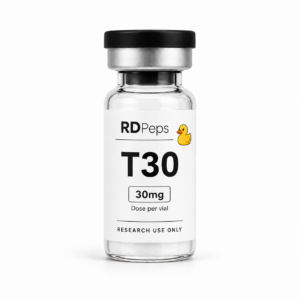
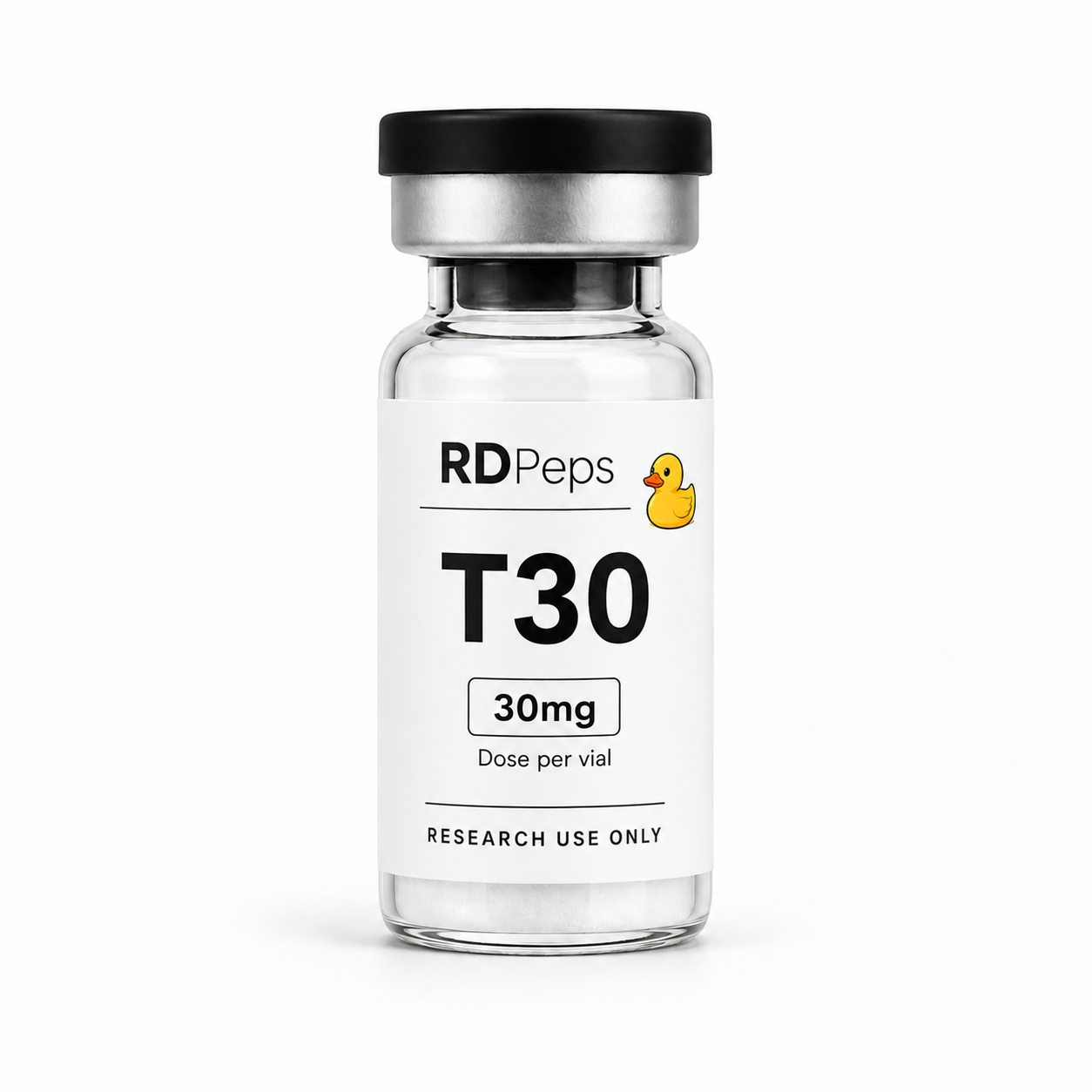
The term Tirzepatide 30mg Vial refers to a product description stating a quantity of 30 milligrams. However, a label alone cannot establish the identity, concentration, quality, sterility, or regulatory status of a particular product.
How Tirzepatide 30mg Vial Works
Tirzepatide 30mg Vial acts on both GIP and GLP-1 receptors. These receptors are associated with incretin hormones, which help regulate the body’s response to glucose and food intake.
GIP receptor activity: GIP is an incretin hormone involved in glucose-dependent insulin secretion and other metabolic processes. Researchers have studied how activating its receptor contributes to tirzepatide’s overall clinical effects.
GLP-1 receptor activity: GLP-1 plays a role in glucose-dependent insulin secretion and appetite regulation. Activation of this receptor can also influence gastric emptying, which affects how quickly food moves from the stomach into the small intestine.
By acting on both pathways, Tirzepatide 30mg Vial offers a different pharmacological approach from medicines that act on the GLP-1 receptor alone. Its clinical effects and potential risks must nevertheless be evaluated using evidence from approved prescribing information and well-designed clinical studies.
Clinical Research and Medical Applications
Tirzepatide 30mg Vial has been evaluated in clinical trials involving adults with type 2 diabetes and, in specific formulations and jurisdictions, chronic weight management. Research has examined outcomes such as blood glucose control, body weight, tolerability, and other measures relevant to metabolic health.
Clinical trials use structured methods to assess effectiveness and identify potential adverse effects. Their results must be interpreted in light of the participants studied, the treatment conditions, the duration of follow-up, and the limitations of each study.
Not every product described online as tirzepatide is equivalent to an approved medicine. A product’s stated quantity or appearance does not demonstrate that it meets pharmaceutical manufacturing requirements or is suitable for clinical use.
Readers should consult current prescribing information and qualified healthcare professionals for guidance about approved indications and treatment options.
Understanding the 30mg Vial Label
The wording “30mg vial” identifies a stated amount associated with a product label. It should not be interpreted as a recommended dose or as evidence that the contents are a verified pharmaceutical formulation.
Several factors matter when assessing a medicine’s identity and quality, including the manufacturer’s identity, authorized supply chain, product labeling, storage requirements, and applicable regulatory authorization.
An online listing cannot independently verify a vial’s contents. Similarly, photographs, packaging, or a seller-provided document cannot by themselves establish that a product is authentic, sterile, or safe for human use.
Medicines should only be obtained through lawful, authorized channels and used in accordance with the approved prescribing information and professional medical advice.
Safety Considerations
Like other medicines affecting incretin pathways, tirzepatide can cause adverse effects. Commonly reported effects include nausea, diarrhoea, vomiting, constipation, and abdominal discomfort. Some adverse effects may be more significant or require medical evaluation.
Important warnings and precautions are described in the official prescribing information. These may include concerns relating to pancreatitis, gallbladder problems, dehydration associated with gastrointestinal symptoms, and other clinically significant risks. The exact warnings depend on the authorized product and the patient’s circumstances.
Tirzepatide 30mg Vial is not appropriate for everyone. Medical history, other medicines, existing health conditions, and individual risk factors can affect whether a treatment is suitable.
Unverified or improperly handled products can introduce additional uncertainties about identity, strength, contamination, and storage. A product should not be used simply because its label resembles that of an authorized medicine.
Anyone considering treatment should speak with a qualified healthcare professional. People experiencing severe or persistent symptoms while taking a prescribed medicine should seek appropriate medical advice promptly.
Quality, Documentation and Regulatory Standards
Reliable pharmaceutical information depends on transparent labeling, traceability, and compliance with relevant regulatory requirements.
When reviewing information about a medicine, useful sources include official prescribing documents, national medicines regulators, and recognized clinical-trial registries. These sources can help establish approved indications, known risks, and the status of clinical research.
A certificate of analysis may provide information about a tested sample, depending on the methods and scope of testing. It does not automatically establish that a product is an authorized medicine or that it meets all requirements for human use.
Consumers should distinguish between approved pharmaceutical products and unverified products offered through online marketplaces. Regulatory authorization, appropriate manufacturing standards, and professional oversight are essential considerations.
Frequently Asked Questions
What is tirzepatide?
Tirzepatide 30mg Vial is a medicine that activates GIP and GLP-1 receptors and is used for certain approved medical indications, depending on the product and jurisdiction.
What does 30mg mean on a vial?
It describes the stated amount on the label. It does not establish the product’s concentration, authenticity, quality, or an appropriate treatment dose.
Is every tirzepatide vial an approved medicine?
No. Approval applies to specific products and formulations. A label containing the name tirzepatide does not prove regulatory authorization.
Where can reliable information be found?
Consult the relevant national medicines regulator, official prescribing information, and a qualified healthcare professional for current, evidence-based guidance.
Conclusion
Tirzepatide 30mg Vial is a product-label search term associated with tirzepatide, a medicine that acts on GIP and GLP-1 receptors. Understanding its pharmacology, clinical applications, potential adverse effects, and regulatory requirements helps readers evaluate information responsibly.
Accurate information should distinguish approved medicines from unverified products and prioritize pharmaceutical quality, appropriate medical supervision, and patient safety.